
Pine Lake • Red Deer County, Alberta
Rural condominium living, seasonal recreation, agriculture, and lake culture meet here. This page provides a clear orientation to how Pine Lake functions — for residents, visitors, renters, and seasonal owners.
Four-season lake environment • Central Alberta • Mixed residential and recreational use
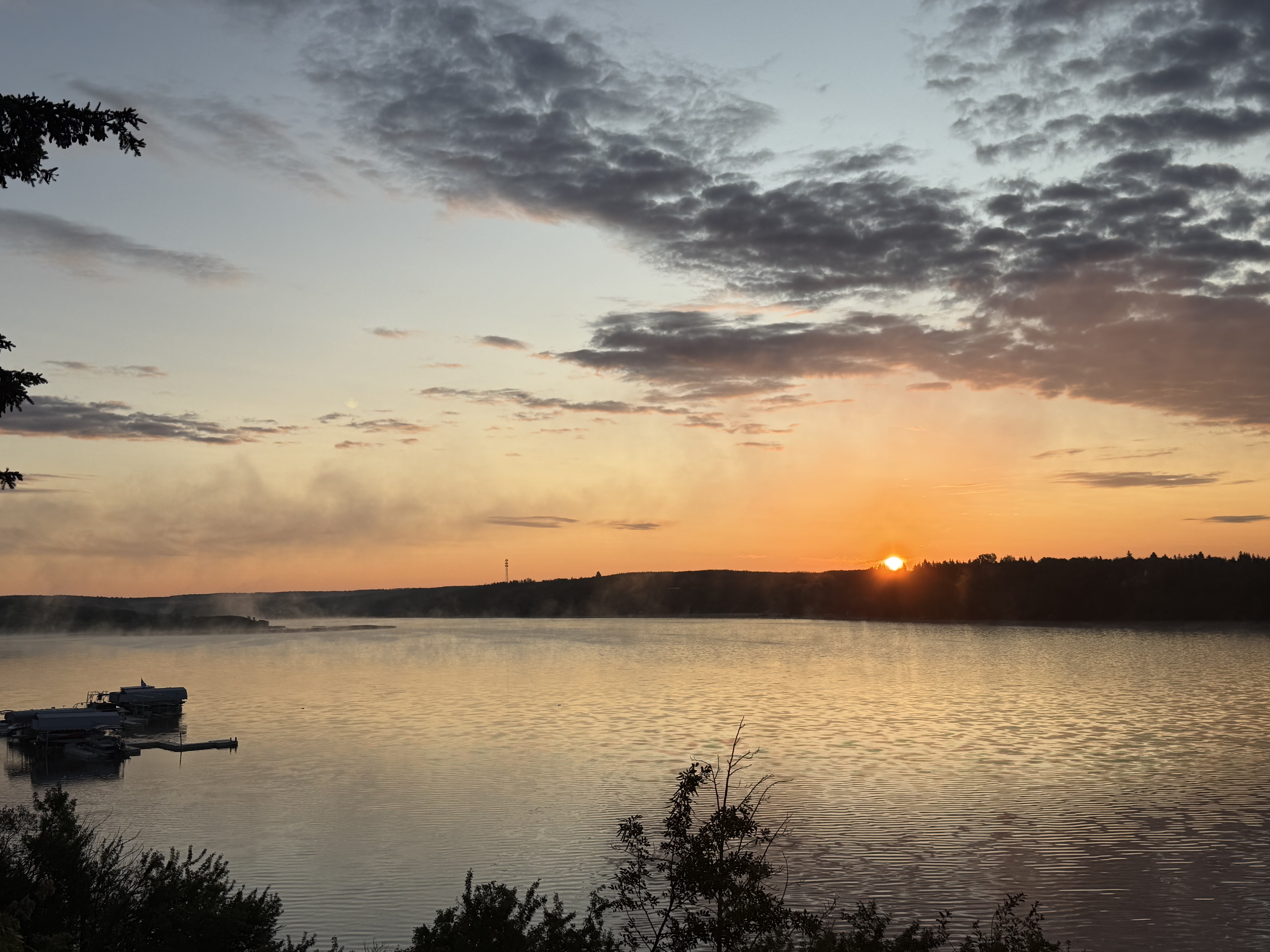
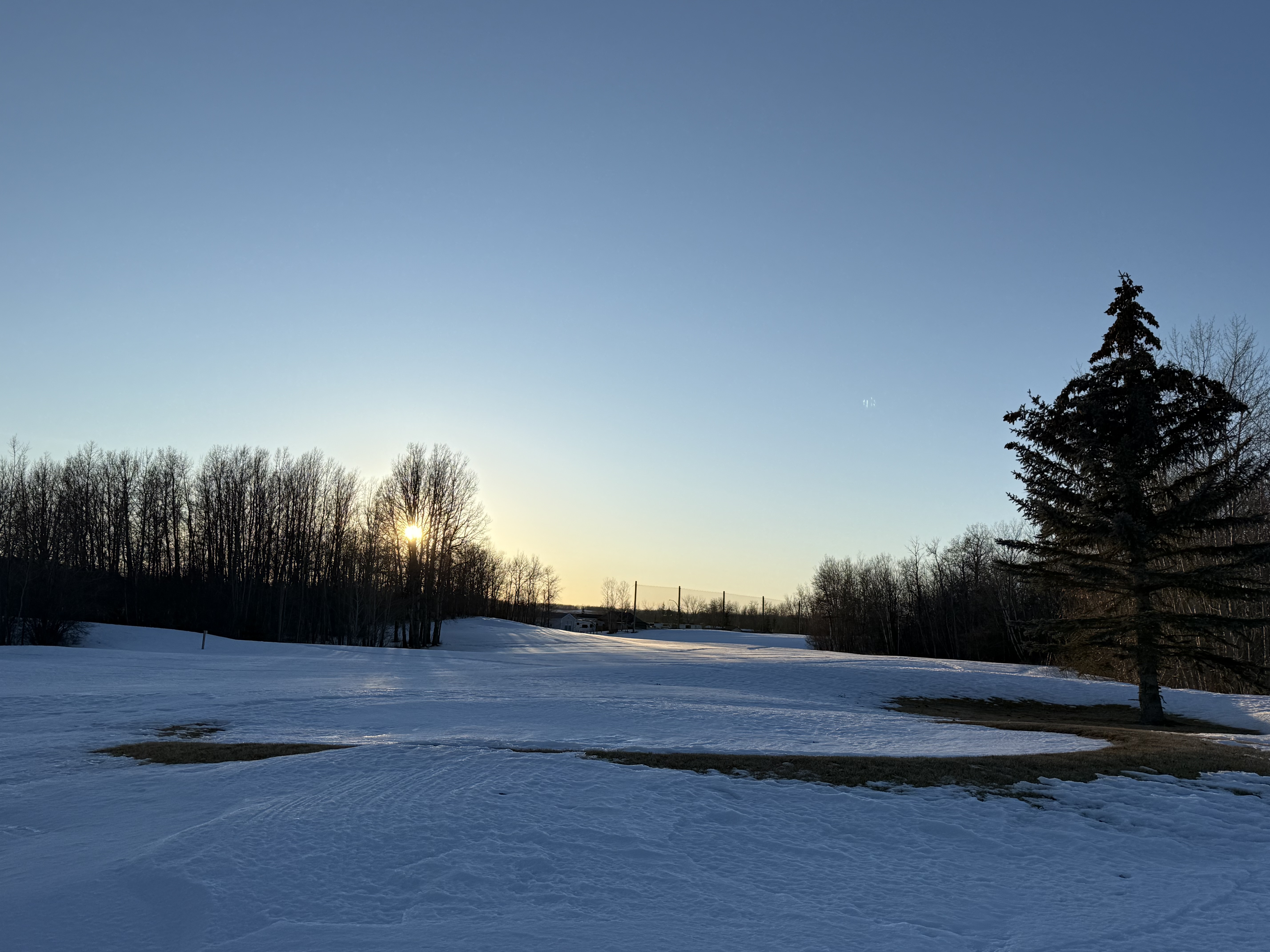
Quick Facts • Pine Lake at a Glance
- Four season lake lifestyle: summer boating and fishing, winter ice access and quiet season
- Hybrid environment: rural condominiums alongside farms, acreages, and small businesses
- Common visitor needs: fuel, supplies, waste handling, parking, and quiet hour awareness
- Common recreation: golf, fishing, boating, trails, camping, and seasonal outdoor activity
- Best first move for new residents: read your phase documents, then learn common expectations across the area
Living Here • Rural Condominium Lifestyle
Pine Lake is a recreational and residential area in Central Alberta with multiple condominium communities nearby rural land uses. That means shared roads, seasonal traffic, wildlife, lake activity, and a mix of visitors and long-term residents.
Pine Lake in one minute
- Central Alberta lake environment with year-round activity
- Watershed drains through Ghostpine Creek into the Red Deer River system
- Known locally for boating, fishing, golf, and winter use
- Historic resilience context includes the 2000 Pine Lake tornado event
What makes rural condo living different
- More seasonal use: summer weekends and winter quiet periods
- More shared infrastructure: private roads, access areas, lake-facing common property
- More rural reality: farms, acreages, equipment traffic, wildlife and fire risk
- More recreation overlap: guests, golf traffic, fishing traffic, and visitors
If you are new to condominium living, the key idea is simple: individual ownership exists inside a shared environment, so clarity and courtesy matter more than in a typical rural acreage.
Agriculture and Rural Operations
Pine Lake is surrounded by active agricultural land. Farms, acreages, and rural operations are part of the landscape. Condominium living in this area exists alongside working land.
- Seasonal equipment traffic during seeding and harvest
- Livestock movement and fencing in surrounding areas
- Occasional agricultural noise during peak seasons
- Dust and field activity depending on wind and timing
- Shared drainage and water flow considerations
Rural condominium communities benefit from understanding that agriculture is not a temporary condition — it is a foundational part of the region’s identity and economy.
Respect for agricultural operations supports long-term stability and positive relations with neighboring landowners.
Schools and Family Notes
Many Pine Lake residents are families. School access typically routes through surrounding communities. Always confirm boundaries, transportation, and grade configurations with the applicable school division.
Delburne
- Delburne area schooling is a common reference point for families living east of Red Deer
- Rural winter driving and bus routes matter for daily planning
Penhold
- Penhold is a common regional hub for services and schooling options
- Families should verify school routing and grade groupings based on their address
Practical tip: in rural areas, the travel plan is part of the lifestyle — build your winter commute plan before winter starts.
Amenities and Services • Pine Lake Area
These are general area references. Confirm hours, access, and seasonal availability locally.
Golf
- Whispering Pines Golf and Country Club is an 18-hole, par-72 course on Pine Lake
- Golf traffic patterns often define summer weekend rhythms in the area
Fuel and Quick Supplies
- Ghost Pine General Store is a known stop for fuel and supplies in the Pine Lake region
- Tip: fuel up before peak weekend traffic if you are trailering a boat
Lake Services
- Marina and launch services exist in the Pine Lake area with seasonal variability
- Tip: always plan for wind changes and temperature drop near sunset
Fun facts people actually ask
- Pine Lake is commonly associated with northern pike, walleye, yellow perch, and burbot
- Ice conditions vary year to year — do not assume thickness by date
- Rural quiet can be real quiet in winter — then summer can feel like a small resort town
Recreation • Four Season Use
Pine Lake is not just residential — it is recreational. Understanding seasonal shifts helps reduce friction between residents and visitors.
Summer
- Boating and open-water fishing
- Swimming and shoreline use
- Golf traffic patterns, especially weekends
- Increased short-term rentals and guest activity
- Higher wildfire risk during dry periods
Winter
- Ice fishing (verify ice thickness independently)
- Snowmobile traffic in designated areas
- Reduced daylight and colder wind exposure on open lake
- Lower population density but higher road risk during storms
Recreation is part of the Pine Lake identity — but so is residential quiet enjoyment.
Fishing • What You’ll Actually Find
Pine Lake is commonly associated with:
- Northern Pike
- Walleye (management dependent)
- Yellow Perch
- Burbot
Always verify Alberta regulations for season limits, size limits, and possession rules. Responsible angling supports long-term fish population stability.
Local Tip
- Wind direction shifts can change lake surface conditions quickly
- Even experienced boaters should plan for weather changes
Wildlife and Birds
Rural condominium living includes regular wildlife interaction.
Common Sightings
- White-tailed deer
- Waterfowl including ducks and geese
- Raptors such as hawks and owls
- Songbirds in wooded areas
- Coyotes in surrounding fields
Why It Matters
- Pet control reduces wildlife conflict
- Waste management affects animal behavior
- Lake ecology depends on shoreline stewardship
Pine Lake’s recreational identity depends on preserving the natural environment.
Lake Use Etiquette
- Respect wake zones near docks and shoreline
- Observe posted launch and marina rules
- Minimize shoreline erosion and vegetation disturbance
- Do not leave waste or debris near common access points
Shared lake access requires shared responsibility.
Community Expectations • Shared Rural Living
Rural condominium communities function best when expectations are clear. While each development has its own registered bylaws, several themes repeat across Pine Lake.
- Quiet hours — especially late evenings and early mornings
- Pet control and immediate cleanup
- Parking discipline and keeping fire lanes clear
- Respect for adjacent acreages and agricultural activity
- Compliance with seasonal fire restrictions
- Notice-based enforcement rather than confrontation
These expectations are less about restriction and more about coexistence in a mixed residential and recreational setting.
Visitors • Practical Orientation
Visitors often arrive for recreation. Pine Lake is both a destination and a neighborhood.
- Observe posted speed limits in residential areas
- Be mindful of early morning departures and late-night arrivals
- Use designated waste facilities — do not leave bags outdoors
- Confirm current fire bans before using fire pits
A visitor who understands the area contributes to property value stability.
Rentals and Short-Term Stays
Rental activity increases seasonally. Clear communication prevents most disputes.
- Provide guests with a simple rule summary before arrival
- Clarify parking limitations specific to your phase
- Explain shoreline and dock access restrictions
- Confirm garbage pickup schedules and bin locations
- Ensure guests understand fire restrictions and seasonal risk
Rural condominium living requires slightly more orientation than urban short-term stays.
Seasonal Safety and Risk Awareness
Fire Risk
- Open flame rules change based on Red Deer County advisories
- Wooded areas increase wildfire exposure during dry conditions
Winter Conditions
- Private roads may differ from municipal snow clearing timelines
- Ice thickness varies year to year — verify independently
Storm Context
- Central Alberta weather can shift quickly
- Historical events such as the Pine Lake tornado underscore the importance of preparedness
Awareness and preparation are part of rural living.
New Owners • Understanding Rural Condominium Governance
Many residents moving to Pine Lake have not previously lived in a condominium. Rural condominiums combine private ownership with shared infrastructure and governance.
What Is Different From Urban Condo Living
- More seasonal variability in population and activity
- Greater exposure to environmental risk
- Higher dependency on shared infrastructure
- More interaction with non-residential traffic
How to Read Your Bylaws
- Start with definitions — understand what “unit” and “common property” mean
- Review owner responsibilities separately from board authority
- Understand enforcement procedures before conflict arises
- Identify meeting and voting thresholds
- Confirm reserve fund obligations for long-term infrastructure stability
This section is educational only and does not replace registered documents or legal advice.
Documents • Bylaws, Rules, and Regulatory Domains
Documents are provided for educational reference. Always verify directly with the issuing authority or the relevant condominium corporation for the most current version.
Phase 1 & Phase 2 • Combined Bylaws and Rules
Phase 3 & Phase 4 • Combined Bylaws and Rules
- Documents pending upload
Phase 5 & Phase 6 • Combined Bylaws and Rules
Sandy Cove • Documents
- Documents pending upload
Rosewood Estates • Documents
- Documents pending upload
Lakeside Country Resort • Documents
- Documents pending upload
Green Acres • Seasonal Resort Rules
- Documents pending upload
Spruce Bay Summer Resort • Seasonal Rules
- Documents pending upload
Pine Lake Camp (Salvation Army) • Operational Rules
- Refer to Pine Lake Camp official policies
Whispering Pines Golf Course • Rules
Red Deer County • Municipal Regulations
Alberta Provincial Regulations
Educational Governance Models
Model documents are optional educational tools designed to support rural condominium clarity. They are not legal advice and must be reviewed independently before adoption.
Over time, consistent documentation across rural developments can reduce friction and improve coordination with municipal authorities.
Infrastructure • What Keeps Rural Condominium Communities Stable
Rural condominium communities rely heavily on shared infrastructure. Stability depends less on rules and more on documentation, planning, and cooperation.
- Private road maintenance and snow clearing coordination
- Stormwater flow and drainage awareness
- Septic and water system understanding
- FireSmart practices in wooded areas
- Reserve fund planning for long-term infrastructure sustainability
When infrastructure is clearly documented and expectations are transparent, communities become easier to manage and more resilient over time.
Asset Registry and Planning Tools
Clear asset documentation supports long-term financial stability and reduces emergency spending. These tools are optional educational resources.
- Farm Asset Registry Pack (PDF)
- Acreage Asset Registry Pack (PDF)
- Church and School Facility Pack (PDF)
- Small Business Facility Pack (PDF)
Proper record-keeping strengthens both internal governance and external coordination.
Pine Lake Context and Community Resilience
Pine Lake is part of central Alberta’s agricultural and recreational corridor. The area has experienced significant natural events, including the 2000 Pine Lake tornado, reinforcing the importance of preparedness and shared planning.
- Weather variability is part of rural Alberta living
- Community awareness reduces emergency response delays
- Clear infrastructure documentation supports recovery
Long-Term Value • Rural Condominium Model
Rural condominium communities across North America share common characteristics: recreation pressure, seasonal population shifts, environmental sensitivity, and shared infrastructure responsibility.
- Transparent information reduces misunderstandings
- Clear expectations preserve property values
- Documentation improves municipal alignment
- Education benefits both residents and visitors
This site is structured as a living reference — practical, neutral, and scalable.
Disclaimer
This site is an educational resource. It is not legal advice and is not an official publication of any condominium corporation or governing authority. Always consult registered documents and applicable legislation for binding requirements.